

… and how to reduce it naturally!
This post contains affiliate links. Click here to learn more about my affiliate programs.
Spring is here, flowers are blooming and you can hear the buzzing sound of insects around buds and blossoms everywhere. However, with this beautiful ballet of life comes the fear of watery eyes and runny noses for some of us. According to the Asthma and Allergy Foundation of America, a not for-profit organization founded in 1953, approximately 81 million people in the U.S.A. were diagnosed with seasonal allergic rhinitis (hay fever) in 2021. This equals around 26% (67 million) of adults and 19% (14 million) of children.
If you’re one of them and want to find a natural way of dealing with it, read on, this post is for you!
What is allergy exactly?
Allergy is an immune response to an allergen which is normally a harmless substance. It can be food, animal dander, mites, dust, perfume, detergent, soap, latex, pollen…
In this post, I will tackle allergy to pollen and what you can do to prevent it and feel better.
Many people have seasonal allergies while getting exposed to trees, flowers, grass and weed pollens. As we should all know, pollen is transported by wind, insects, birds or other animals and is necessary to fertilize plants. So it’s a real good thing, right? But for people who are allergic to it, pollen season can be a hell of a time. Indeed, seasonal allergic rhinitis, or hay fever, can hit them the hard way. And it’s not even fair, as some will be more impacted than others, while certain people will just have mild or close to no symptoms.

Why are people allergic to pollen?
Why such discrepencies then? Well, mainly because an allergen is basically not toxic. It is the immune response of the body itself that causes the symptoms. This reaction can sometimes be too extreme as the body is working too hard trying to fight off this foreign particle. So anything that has to do with the immune system will impact each individual’s reaction to this specific (and any) allergen, be it our DNA, our general health or our diet. What is more, when someone’s gut is in poor condition, the immune system becomes very sensitive to the allergen. So addressing the immune system with the gut health and avoiding the triggers will definitely help ease those pesky symptoms.
Symptoms to pollen allergies
- Sneezing, wheezing
- IItchy and watery eyes
- Swollen eyes
- Coughing
- Stuffy/runny nose
- Congestions
- Sinus pressure
- Itching or sore throat
- Altered sense of taste and smell
- Asthmatic reactions
Some people may also experience fatigue, hives, stomach aches, itchy skin or feel irritated.
How can you find out if pollen is in the air?
If there’s no scientific way to know if love is in the air, luckily for us there is one for pollen!
You can check levels of pollen in your area browsing this website: https://www.pollen.com/
You can download their Iphone or Android app here to get location-specific and real time allergy information in your pocket!
You can also use your favorite weather forecast provider, which will have allergy forecasts throughout the country. Here’s an interesting insight courtesy of the Weather Channel: Allergy Insights With Watson – Videos from The Weather Channel.
But keep in mind that a high level of pollen counts does not mean you will get a reaction to it. There are many types of pollens from many types of plants. Likewise, even low counts of pollen can get you a reaction if you are close to one of the allergen that triggers your immune system the most.
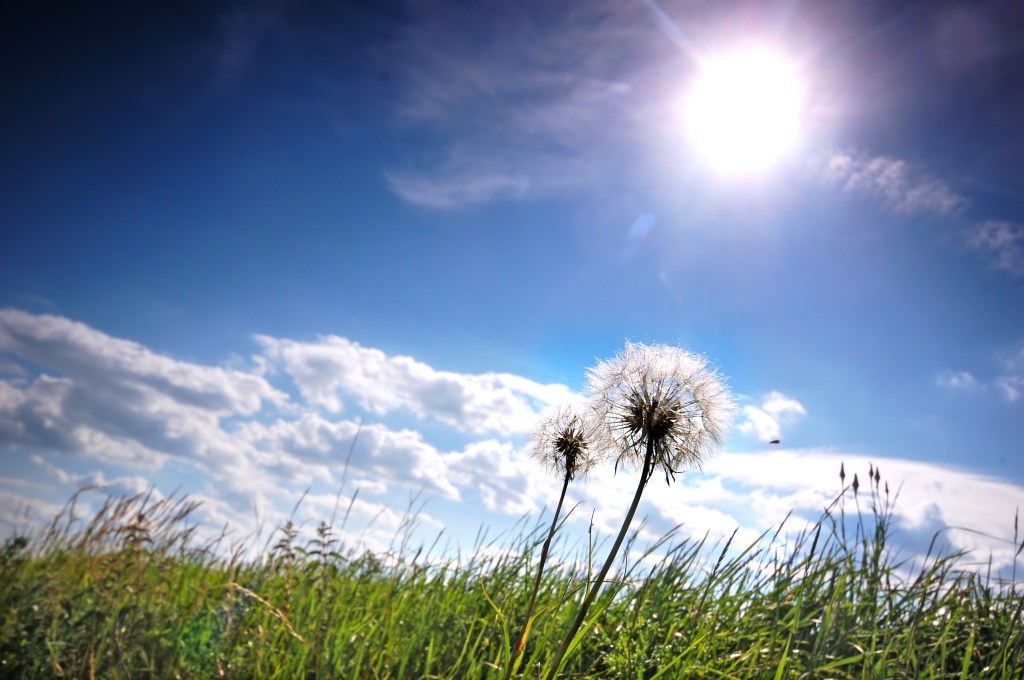
Tips to prevent and/or lower allergies
- Knowing that pollen counts are much higher from 5 am to 10 am, try to stay indoor during those hours.
- Rain, especially heavy rain, is great to lower pollen counts: avoid going out in the mornings when it is dry, warm and/or windy.
- Make sure to change your clothes as soon as you get in to wash them. Have a shower and rinse your hair. Side note: make sure to clean the inside of your ears as well. This is a place where pollen can get, and going to bed without thoroughly cleaning the inside of your ears can put some pollen on your pillow.
- Wash your linen at least once a week, in hot water with a non-toxic soap.
- Wear glasses or sunglasses when going outside, it can help.
- Have someone else take care of your garden and yard.
- Don’t air-dry your clothes outside when pollen counts are high.
- Vacuum regularly, your vacuum cleaner should have a HEPA filter.
- Buy a portable High-Efficiency Particulate Air (HEPA) filter or a dehumidifier.
Here is an air purifier I chose, used, and am very satisfied with: BlueAir bedroom air purifier (Affiliate link) - Get some honey! Indeed, honey has a proven beneficial effect in reducing the symptoms of allergic rhinitis, according to studies. The Potential use of Honey as a Remedy for Allergic Diseases: A Mini Review – PMC (nih.gov), Ingestion of honey improves the symptoms of allergic rhinitis
- Some people choose to use homeopathy to help them cope with the symptoms. I definitely benefited from homeopathic remedies for different ailments, and it really worked on me. If you choose to do so, always seek a certified homeopath advice beforehand.
How to take care of your immune system
As we’ve already discussed, allergies are all about our immune system! So boosting our immune system is a good way to start tackling pollen allergies!
Here’s a few takes to boost your immune system the natural way!
- Avoid junk food, and processed food. Think whole foods!
- Avoid smoking and alcohol.
- Adopt a healthy food habit, opting for a diet with anti-inflammatory characteristics.
Zoom on Anti-Inflammatory diets
Although there isn’t one miracle food to boost immunity, adopting an anti-inflammatory diet is the key. Choose a diet with plenty of fruits and vegetables (certified organic preferably), such as the Mediterranean diet.
Smoothies are a good way to add up plenty of them in your daily routine. I’ve tested a lot of blenders, of different make and price… If I had one to recommend it would be the Vitamix, no contest! It’s the best I’ve ever used (and no need to buy the most expensive one, they all work well!). It makes the best smoothies! Tips: make a different smoothy each day to avoid boredom.
Make soup with plenty of vegetables and herbs.
Make sure to include probiotics and prebiotics in your diet for gut health, which plays a big role in immunity.
Here is a list of food that will boost your immunity:
- Bell peppers
- Berries
- Kiwis
- Citrus fruits
- Guava
- Mango
- Pineapples
- Carrot juice
- Sweet Potatoes
- Almonds
- Leafy greens (like spinach)
- Garlic
- Turmeric
- Ginger
- Green tea
- Fermented food (like sauerkraut)
- Kimchi
- Kombucha (choose one low on sugar)
- Beans
- Seeds
Keep in mind that eating the rainbow colors is highly beneficial.
- Drink plenty of clean water. If you do not have a good filter at home, get one! Here is the one I use when traveling (with extra filters).
- Exercise on a regular basis. However, do not do intense workout to avoid oxidative stress. Here is a list of good workout: brisk walk, swimming, hiking, biking, running, yoga, pilates.
- It should go without saying but… get some adequate and quality sleep.
- Try to minimize stress. Incorpore some relaxation techniques each day. Deep breathing and other breathing techniques are very beneficial for that, as shown in a recent Harvard Institute article.
- Make sure you get enough vitamin D.
- Wash your hands regularly with chemical free soap to avoid infections; doing it for at least 30 seconds.

Taking care of our allergies in a healthier approach is possible. Try it if you have difficulties enjoying the many riches of the outdoor life comes springtime and summer! I have the gut feeling you won’t ever regret it!
If you need help changing habits and setting up healthy ones for you and/or your family, contact me (call or text +310 744 5702 ) and we can work on a taylor-made plan together!
Join me on facebook for more health and wellness tips, and be on the lookout for PARENTSHEALTHYLIVING.COM coming real soon!


 Blog With Gigi
Leave a reply to BestBeekeeping Cancel reply